
Cochise County Wanted List Status
Looking for a Cochise County most-wanted roster? Expect to come up empty. The Sheriff's Office does not publish one. Nothing shows up in the Detention Division pages, the county forms, or the main government navigation. There is no warrant-only search portal either. That means no count of listed people, no update schedule, and no county policy on posting photos. One caution is worth repeating: stale search results and private sites are not proof that a warrant is still active.
The nearest official resource is the CCSO Public Information page. It posts incident notices and explains the agency's publication rules. It is not a wanted-person database. Another change matters here. Since September 2024, CCSO has stopped putting booking photos in its press and social releases. A press item can still describe an investigation, though only the court can confirm what is on file. The image below shows that official source.
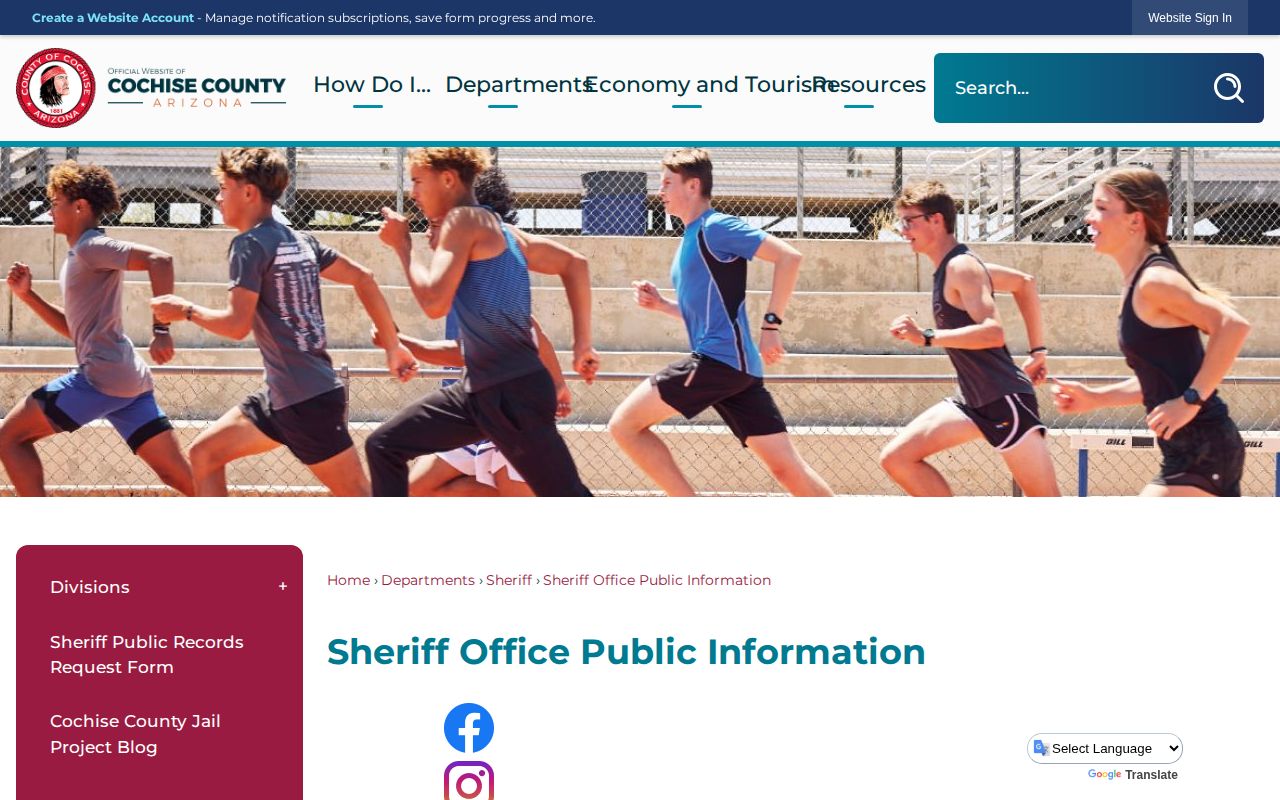
Keep expectations straight here. Official notices give context; active-warrant status comes from the court or whichever office is responsible for the case.
Cochise Wanted Listing Fields
A typical wanted page lists a name and a photo. It adds a physical description, a charge, and a caution note. Cochise County has no official list to check any of it against. Pretending a template is live would build false confidence. The honest inventory is short: nothing official exists right now.
| Possible listing field | Current Cochise County status |
|---|---|
| Name or alias | Not published in a current CCSO wanted list |
| Wanted photograph | Not published; no current list located |
| Warrant or alleged offense | Not published in a county wanted-list format |
| Physical description | Not applicable because no current list exists |
| Last known area | Not applicable because no current list exists |
| Caution or safety flag | Not applicable because no current list exists |
| List count and update date | Not published |
Private pages still float around. They carry names and images copied years ago. None of that makes them a Cochise County wanted list. The warrant may have been recalled, or the case dismissed or sealed. The person may simply be misidentified. Before trusting any claim, check the exact person, case, court, and current status.
Check Cochise County Warrants
For Cochise County, one online starting point stands above the rest. It is Arizona's Public Access Case Lookup. The site lets you search participating courts by name or case number after a CAPTCHA screen. Know its limits, though. It is informational only, skips certain case types, and lags behind real events. Refreshes happen each Friday, with data through the prior Wednesday. So a same-day police contact may not appear yet, and an old docket may not spell out whether a warrant is still active.
- Collect exact identifiers. Use the full legal name, a known case number, and a narrow date range. Avoid guessing from a similar name.
- Search the state case locator. Note the court name, case number, case type, and any entry that appears to concern a warrant. Treat the result as a lead.
- Identify the court of record. A municipal, justice, or Superior Court may own the file. A court of record is the court that maintains the official case materials.
- Confirm with that clerk or court. Ask whether the displayed entry is current and what safe, lawful process applies. The Cochise County Clerk of Superior Court handles Superior Court files.
- Use counsel when personally affected. A lawyer can explain the docket, arrange a court response, and help avoid a missed deadline. Do not use a web result to hide, flee, or evade the court.
The portal itself warns that it is not the official record and can be incomplete. Most Arizona courts take part, but not all. Sealed matters stay out, along with juvenile delinquency cases, local-ordinance charges, and several other categories. If a case number will not show up online, the local court can verify it. CCSO Records, for its part, offers no general criminal-history inquiry service.
Cochise County Warrant Types
Labels matter on a docket. A warrant is a command from a court authorizing a defined action, and different warrants exist for different reasons. The court can explain what a specific entry means. These broad distinctions simply help you ask a clear question rather than interpret a live case on your own.
| Warrant type | General meaning | Current public county list |
|---|---|---|
| Arrest warrant | Judicial authority to arrest a named person in connection with an alleged offense | Not published in a county warrant portal |
| Bench warrant | A court order commonly tied to a missed appearance or failure to follow a court direction | Not published in a county warrant portal |
| Search warrant | Authority to search a described place, person, or item; it is not a wanted-person listing | Not applicable to a most-wanted list |
| Writ or other order | A separate court command whose effect depends on its wording and case | Verify with the issuing court |
Never read a call code as proof of a warrant. The CCSO Media Report may show a row tagged with a warrant-related nature code. But that report is a dispatch activity log. It names no booked person and proves no arrest. It also says nothing about how the court resolved the matter.
Cochise Wanted Information Safety
With no live sheriff list, the safe workflow is a source check, not a photo browse. Read any public notice in its original setting. Then match it to the responsible court or agency. A screenshot, a repost, or an old private profile should never be your only basis for action.
- Confirm that the page is on an official government domain and read its publication date.
- Check whether the notice describes an charge, an issued warrant, an arrest, or a later court event.
- Use the court lookup and clerk to test whether the case and warrant status remain current.
- If a person has been arrested, use the county record path described on the Cochise County busted mugshots home page for a specific booking inquiry.
- Give a safety tip only through the sheriff's form, SEACOM, or 911 when danger is immediate.
Safety first: Never approach, follow, restrain, threaten, or publicize the location of a person tied to a wanted claim. Give the facts to law enforcement and step back.
Cochise County Wanted Tips
The Sheriff's Tips Submission form takes reports of suspicious or illegal activity. A strong tip covers what was seen, where, when, and how the source knows it. Skip conclusions the facts do not support. For a non-emergency tip, SEACOM is the documented phone channel. Reserve 911 for immediate danger.
Cochise County Tip Channels
Crime Tips / SEACOM: 520-803-3555
Special Operations: 520-432-9500
Immediate danger: 911
Online: Sheriff's Tips Submission form
No official promise of anonymity or a reward exists, so claim neither when you submit or share a tip.
Tip channels are not substitutes for a court-status check. A tip reports observed information to law enforcement. A clerk confirms the state of a court file. Keeping those jobs separate reduces the risk of turning a rumor into a public accusation.
Cochise Wanted Alerts Are Absent
Cochise County has no official "Warrant Wednesday" feature, and the sheriff's office offers no inmate or booking-photo app. CCSO social media carries agency news, but current policy keeps booking photographs out of arrest releases. What the county does offer is emergency notification. MyAlerts and AlertSense handle fires, floods, evacuations, civil danger, and missing persons, while Notify Me sends selected county notices. None of those products searches warrants, flags custody changes, or feeds out wanted names.
First Watch is sheriff audio programming. ConfirmOk runs welfare calls. Both serve real needs, yet neither verifies a warrant. Someone who follows an emergency channel hoping to spot fugitives will come away with assumptions instead of answers. Take questions of status to the court, and take observations to the sheriff.
Cochise Wanted Claims on Aggregators
Private mugshot and arrest aggregators sit behind court and sheriff sources, never ahead of them. RecentlyBooked's Cochise page states that the county no longer supplies images and lists no recent county entries. Arrests.org's Cochise interface shows zero current counters while keeping its historical navigation. Mugshots.com still holds an old Cochise section.
A profile can outlive release, dismissal, sealing, or the feed that created it. A search box and a county label say nothing about accuracy or current coverage. Do not submit a tip or repost a photo just because a private page calls someone wanted. First match the claim to an official court case, then ask the court of record about status. If a private listing is wrong, use that publisher's documented correction route. Arrests.org has no published correction procedure, so do not send anyone hunting for a form that does not exist.
County and Federal Records Differ
The county warrant path is not the same as federal custody. The Federal Bureau of Prisons Inmate Locator tracks federal inmates from 1982 onward and refreshes daily. It returns identity, location, and release details, but no photographs. It also says nothing about whether a Cochise County warrant is active. Its real value is preventive: a person already in federal custody should not be mistaken for a county wanted subject.
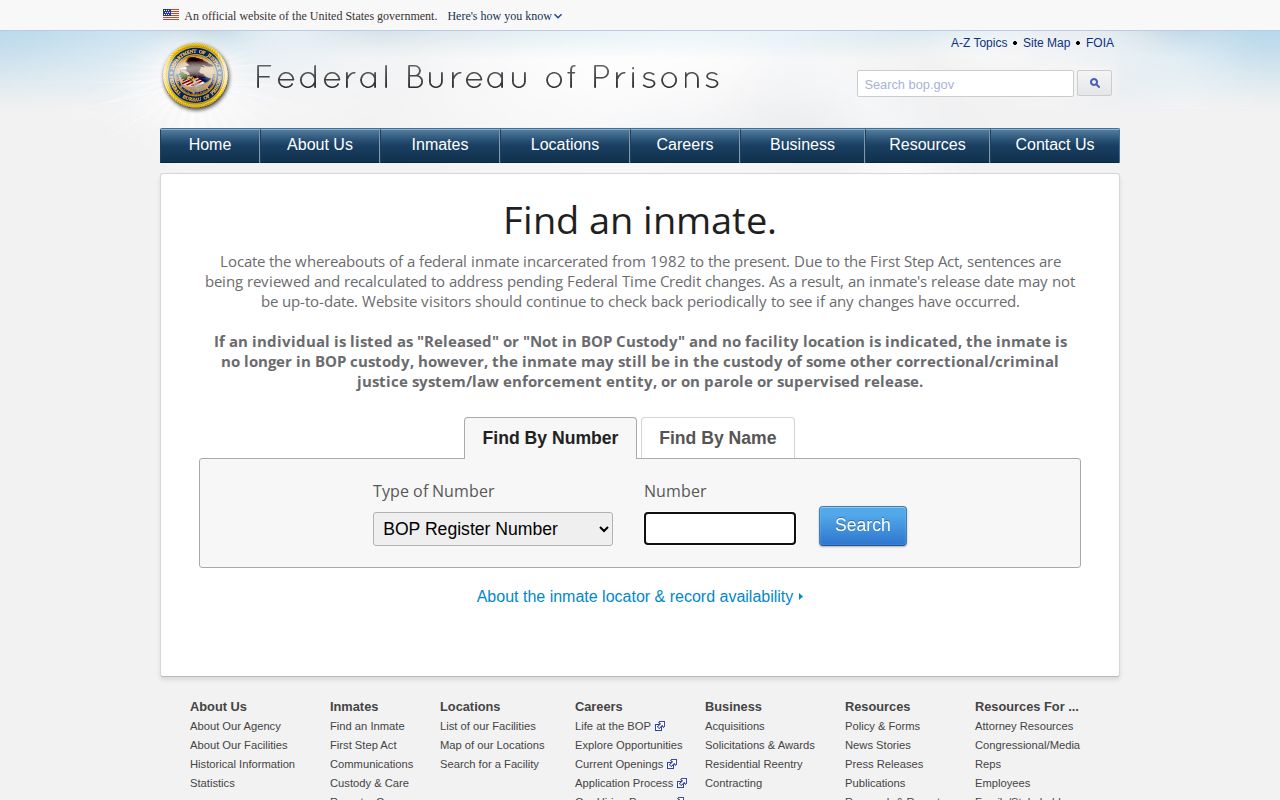
That locator image shows a federal custody search. It is not a Cochise County wanted list. ICE custody is separate too. The ICE Online Detainee Locator covers qualifying current ICE or longer-term CBP detention, and it displays no mugshot. Neither tool tells you how a local Arizona case ended.
Cochise Warrant Claims Need Context
A warrant directs legal process. Its final disposition is whatever the court records: dismissal, plea, verdict, or judgment.
Names demand care as well. Shared names, misspellings, old addresses, and copied profiles can all point at the wrong person. Confirm identity and current status with the office that created or maintains the record before acting on anything.